Cold store, cellar, chilled rooms

Where is your cooling working for nothing?

In a cold store, a fruit store, a Tokaj cellar or a fermentation room, heat and moisture leak in from outside. With a thermal camera we show where, and what is worth fixing: door seals, panel joints, thermal bridges.
  • HUF 45,000 per room (≤ 300 m²)
  • Year-round, best in summer
  • Qualitative loss estimate
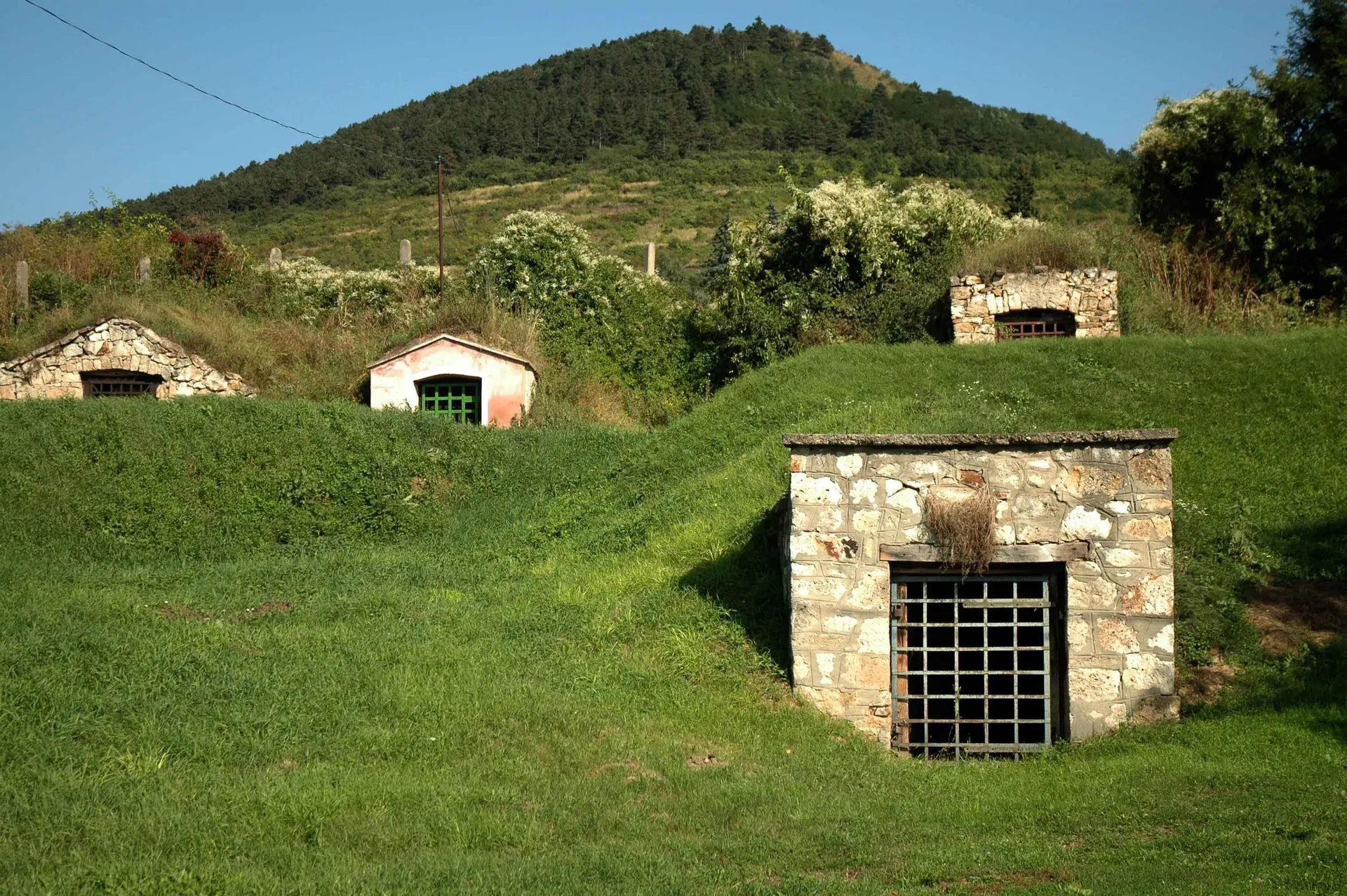
Grass-covered hillside with stone portals and iron gates: traditional wine cellar entrances in the Tokaj wine region
Illustration: Tokaj cellar entrances. Not a client. Image: MyName (Wikimedia Commons), CC BY-SA 3.0

01 / Who for

Where cold is expensive

A heated hall loses heat, a chilled room gains it: the mechanism is the same, the direction is reversed.

  • Cold store, fruit store

    Sandwich-panel walls, dock doors, antechamber, surroundings of evaporator and condenser.

  • Tokaj and other cellars

    Stone cellars, wine cellars, entrance doors, ventilation, damp surfaces.

  • Fermentation and bottling

    Chilled tanks, pipework, heat load of the fermentation room, grated floors.

  • Shop cold rooms

    Cold room and loading zone, door seals, surroundings of chilled cabinets.

Related services: putting forints on losses (heat loss analysis) and, on the summer visit, electrical cabinet screening.

02 / What we find

Door, panel joint, thermal bridge, condensation

The camera shows cold surfaces and the trace of warm air sneaking in.

  • Door seals: warm, humid air enters through a worn or misadjusted seal; it shows on the threshold and the door frame.
  • Panel joints: a band along an open joint on the cold side, colder or warmer depending on the air movement.
  • Thermal bridges: junctions, supports and penetrations where the insulation is interrupted.
  • Condensation and ice: where a surface falls below the dew point moisture condenses and ice builds up in the joint, which can destroy the insulation.
  • Plant: observations around the evaporator and condenser (fouling, airflow).

The summer heat load is large: outdoor heat and high humidity quickly expose weak points. That is exactly why the cold-store module is also a summer-season product.

In summer heat load and humidity peak: ice growing in a joint is both a loss and structural damage. Illustration

03 / The price of cold

Why we do not give forints here, and what we do

Honest method: the cooling loss also depends on the efficiency of the machine.

With heating, the link between loss and gas use is simple. With cooling, the heat that gets in is removed by the refrigeration plant using electricity, and the coefficient of performance (COP) depends on temperature difference, machine and mode. A kilowatt-hour of heat leaking in is therefore not a kilowatt-hour of electricity.

That is why the cold-store module gives a qualitative estimate: place, severity, cause, repair suggestion and priority. If you give us the plant’s consumption and running hours we can work out an indicative figure together, but we do not promise one in advance. Examples and method are on the calculation method page.
Supermarket chiller aisle with glass-door refrigerated cabinets and packaged goods
Illustration: supermarket chiller aisle. Not a client. Image: Eduardo Soares / Unsplash, Unsplash License

04 / Cellar and fermentation

Tokaj: keeping the cool and the damp

In stone cellars the task is not to heat but to hold temperature and humidity steady.
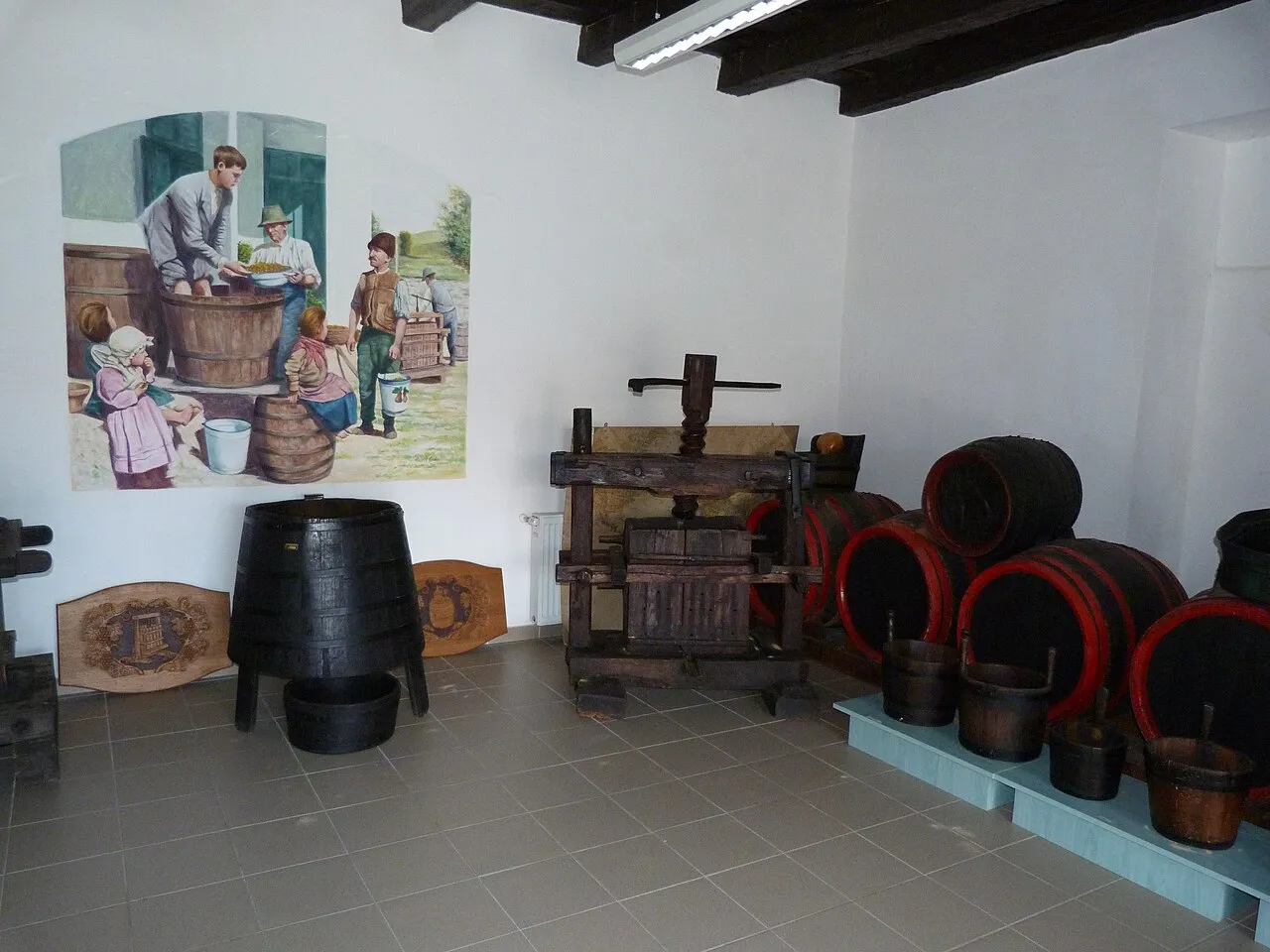
Interior of a wine cellar with oak barrels and an old wine press, with a mural
Illustration: cellar-like space with barrels (Tolcsva wine museum). Not a client. Image: Derzsi Elekes Andor / Wikimedia Commons, CC BY-SA 3.0

A stone cellar’s steady temperature comes from the mass of the ground; what an entrance door, a vent or a penetration spoils shows in the camera. On damp surfaces evaporation cools, so they show as colder patches: that helps trace damp problems.

In the fermentation and bottling rooms, the heat load of chilled tanks, pipework and fermentation counts. Faults in the insulation of chilled tanks, pipe bridges and lid seals also show.

05 / Limits

What it cannot do, and what it is not

Briefly.

  • A thermal camera measures surface temperature; the module does not compute the forint value of cooling loss, only the location and severity of defects.
  • Not a food-safety (HACCP), refrigeration-engineering or structural opinion.
  • Savings are only possible after repair; the survey itself saves no energy.
  • Not an accredited test, not an energy performance certificate or audit.

06 / FAQ

What people ask about chilled rooms

Why look at a chilled room with a thermal camera?
Because heat flow in a chilled space is reversed: outside heat gets in and the refrigeration plant has to remove it. A badly closing door, an open panel joint or a thermal bridge loads the plant continuously, and incoming moisture leads to frost and ice on the cold side, which also damages the structure.
When is the best time to measure?
Any time of year, but chilled rooms are most heavily loaded in summer: high outdoor temperature and humidity show defects best. So the cold-store module is also a summer product: alongside the heating survey in winter, and well suited to stand-alone use in summer.
Do you put a forint value on the cooling loss?
The module gives a qualitative loss estimate: it shows where and how serious a defect is and what is worth repairing. A forint figure needs the plant’s actual consumption and coefficient of performance (COP), which a survey does not reveal. If you supply metering data we can work out a figure together.
Is this a food-safety or refrigeration-engineering opinion?
No. We give no opinion on food safety (HACCP), the sizing or servicing of the refrigeration plant, or refrigerants. The thermal survey shows where heat and moisture get in. The survey is not an accredited test.
What do you look at in a wine cellar?
In stone cellars the point is not heating but keeping a stable, cool temperature and suitable humidity. Entrance doors, vents, damp surfaces and the cooling of fermentation or bottling rooms show in a thermal image. We give no opinion on the cellar’s structure or the vault’s condition.

Related

Worth looking at together

Request a quote for your facility

Tell us briefly how big and what kind of building it is and what worries you. We reply within one working day and say which package fits. Requesting a quote commits you to nothing.